
Journal
Choose the first product for a home collection
A practical way to compare three prototypes through use, samples, packaging and a first production decision.
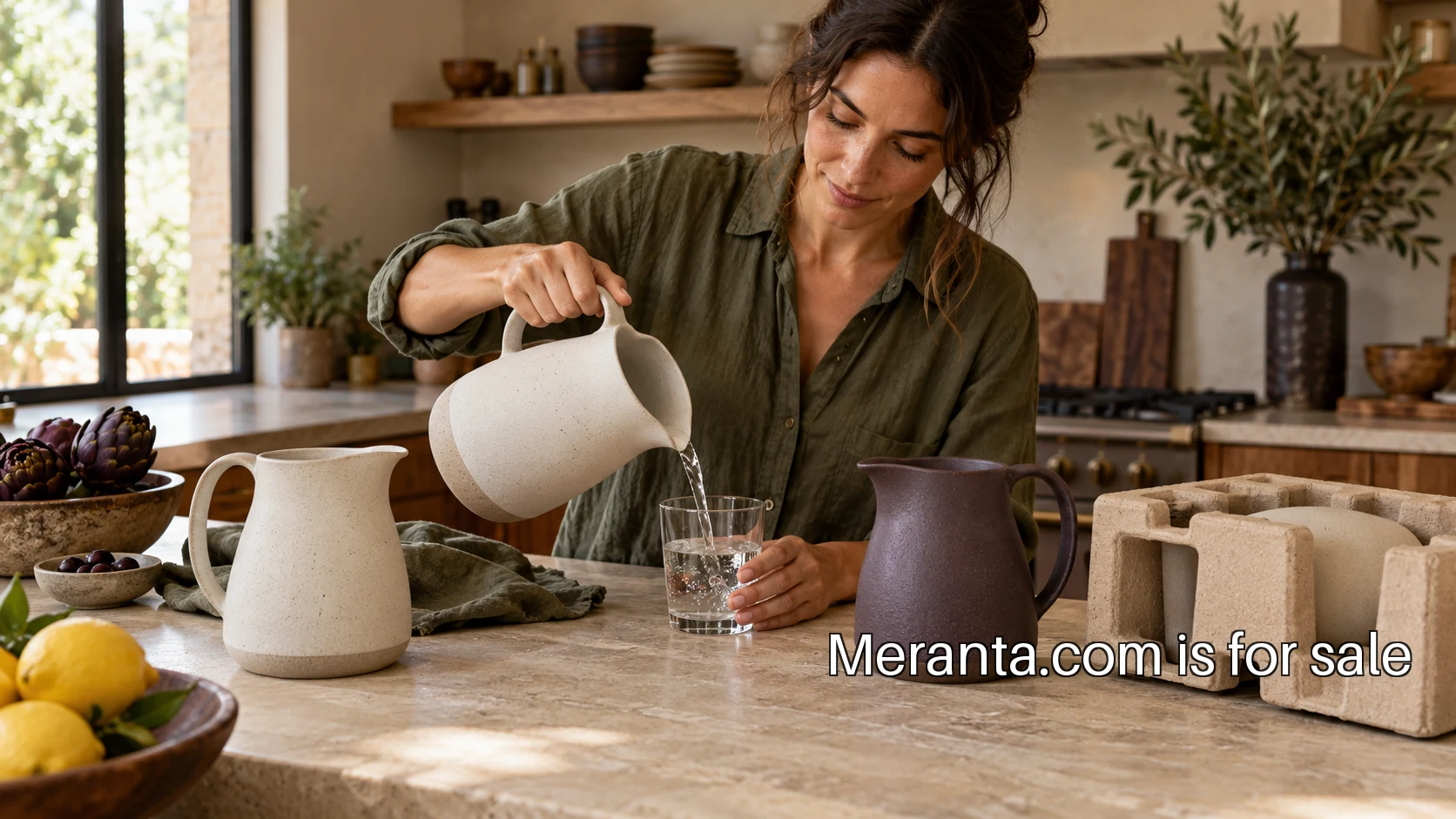
The first product in a home collection sets several decisions in motion at once. It gives the founder something to discuss with a maker, establishes a standard for photography and packaging and creates the first reason for someone to buy. Choosing it through a repeatable task makes those decisions easier to connect. A product brief that starts with daily use is also easier to test than one that starts with a complete visual world.
Begin by listing three objects you could realistically develop, source and support. Choose objects connected to the customer you want to serve. A tray, a small storage piece and a bedside organizer might all belong in a compact home, but they solve different problems. Compare them against the same set of questions before committing to the one that photographs best. The aim is a first product you can explain, improve and deliver consistently.
Write down the task before the shape
For each candidate, describe a use in one sentence. A tray carries breakfast from a kitchen counter to a small table. A storage piece keeps frequently used objects within reach. A bedside organizer gives someone a place for the few things they remove before sleeping. The sentence should identify an action and a setting. If it only describes a mood, keep working until it tells a maker what the object needs to do.
Then watch someone perform the task with what they already own. Ask where they bought that object, what they like about it and what they have changed to make it work. A folded cloth under a container or a handle wrapped in tape can be more informative than a request for a new color. Record the workaround without assuming your first design is the answer. The observed task gives you something specific to improve.
Keep the interview small and concrete. Ask about the most recent use, rather than what the person imagines they might do. Notice where the object is stored, how far it moves and who cleans it. Those details often become dimensions, material requirements or care instructions. A founder can return to the same setting with a sample and compare behavior instead of collecting general reactions to a picture.
Use a three-candidate worksheet
Make one sheet with the candidates as columns. Use rows for the customer task, available space, material, cleaning, handling, storage, packing size, replacement parts and likely supplier. Write unknown beside an unanswered question. That is a useful result: it identifies the conversation or sample needed before the decision. Avoid assigning a precise score to a product whose basic construction is still unresolved.
Add a row for the first demonstration. What would you show in twenty seconds to explain why the object belongs in the home? A tray might show stable carrying and a comfortable grip. A storage piece might show what fits and how it opens in a tight space. A bedside organizer might show how a cable passes through without pulling the charger off the table. A visible action gives the product page something useful to explain.
Consider an illustrative comparison in which the tray has a clear maker and a testable handle design, while the storage piece requires an unfamiliar moving mechanism. The tray may be the better first development project even if the storage concept is more ambitious. The founder can put effort into a manageable set of decisions and learn how that supplier responds to revisions. The worksheet makes the reason for the choice visible.
Give samples a fixed comparison routine
When three prototypes arrive, label them clearly. Record dimensions, weight, material, finish and the maker's version information. Use each sample for the same task with the same ordinary load. Check what the user touches, how the object moves and what happens when it is put away. Photograph a relevant detail before and after use. Keep the notes beside the sample code so feedback does not become detached from the actual object.
For a tray, the routine might include lifting from a counter, carrying through a doorway, setting down on a table and cleaning after a spill. Ask the same person to repeat the routine with each prototype, then invite another user with a different grip or available space. The second person may reveal a limitation the first did not encounter. Write the observed behavior before deciding which design change would address it.
Separate product development checks from formal safety work. Identify applicable requirements with the help of appropriate specialists and suppliers. The CPSC business education library offers a starting point for U.S. consumer product research. Use it to build a question list relevant to the actual category and intended use. Keep the resulting documents with the final specification rather than relying on a general assurance in an email.
Test packaging as part of the product
A product that survives careful studio handling still needs a practical shipping method. Pack a sample with the materials planned for orders. Note where it can move inside the box and whether a component can scratch another surface. Open it in the order a customer would, then put it back in the box. If repacking is difficult, a return will create unnecessary work for both parties.
Measure the packed size and weight, then ask the intended carrier for the relevant shipping options. Compare packaging revisions with the same product inside. A smaller box is only useful if it still protects the object and presents clear instructions. Keep the packing steps simple enough that someone else can repeat them during a busy fulfillment day. Photograph the correct arrangement and include a short packing checklist.
Also decide how a product can be traced to its supplier and production batch. A small operation can begin with a clear batch record linked to purchase orders, specification versions and inspection notes. Reviewing relevant CPSC recall notices can help frame practical supplier questions about failure modes and identification. The purpose is to give the founder a usable record when a question arises after delivery.
Make the first order conditional on evidence
Before approving production, gather the final sample, specification, packaging method and agreed inspection points in one place. Resolve differences between the sample you accepted and the details on the order. Ask which parts can change between batches and how substitutions will be approved. A finish or component change should become a recorded decision, with a sample when needed, before it reaches finished stock.
Review the product page at the same time. Can you state the dimensions, material, care and intended use accurately? Do the photographs show the actual production version? Can the person answering inquiries explain the difference between the available options? These are useful readiness questions because they expose missing decisions while there is still time to resolve them.
The first product also establishes how the company introduces itself. For a name such as Meranta, the founder can put one company identity on the sample brief, the packing instructions and the first retailer presentation. Keep the practical explanation of the object close beside it. Start the next working session by comparing three prototypes against the same daily task, then approve the version whose behavior you can describe and repeat.
Meranta.com
Meranta.com is for sale
For a home, travel or hospitality founder ready to introduce a complete brand from the first launch.