
Possible Directions
A considered home collection
Your first useful object has a name with room for the whole home collection.
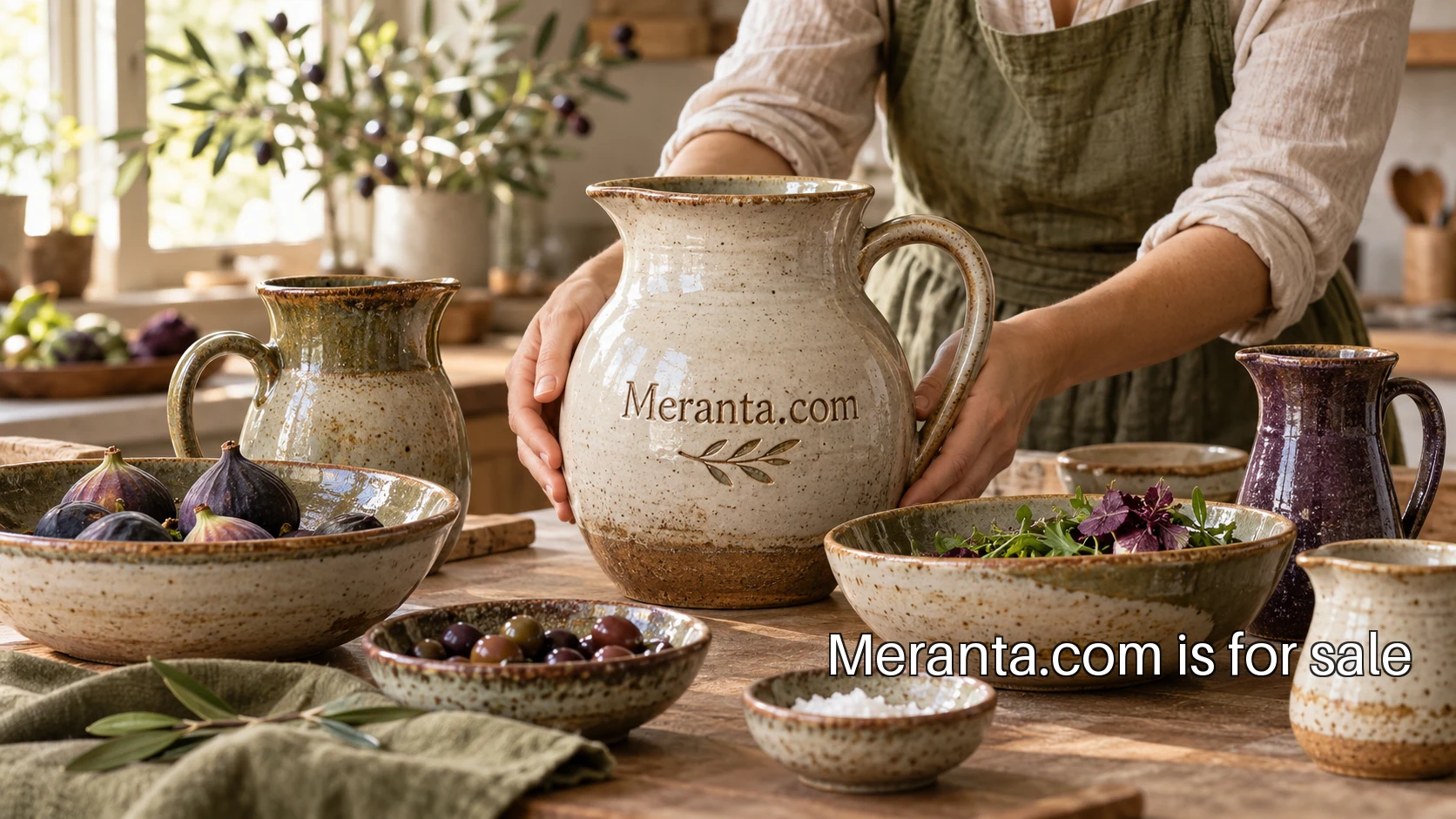
A home collection can begin with one object people reach for every day. The first job is choosing a moment worth improving: carrying breakfast to a small table, keeping a bedside surface orderly or serving a meal without several trips across the room. For a founder considering Meranta, that daily moment can give the company a clear starting point. The range can grow from a recognizable standard of usefulness rather than a long launch catalog.
This is an illustrative business direction. Picture Meranta beginning with a serving tray for people who eat, work and entertain in compact homes. The intended customer wants an object that can stay visible between uses, move easily with a full load and fit in a cupboard when needed. The first offer could be one tray in two finishes, with replacement feet and clear care instructions. That is enough to investigate a real buying decision.
Write the product promise in observable terms
Start with how the object will be used. Can someone lift it with wet hands? Where do their fingers go? Does a tall glass slide when the tray turns a corner? Write those questions before choosing a material palette. A beautiful finish only becomes a product choice when the founder knows how it behaves around water, heat, cleaning and daily handling. A sample brief should describe those tasks in words the maker can act on.
Choose three standards that carry into later products. One might concern the feel of edges and handles. Another might specify replaceable small parts. A third might cover how care information reaches the owner. Keep them concrete enough to compare two samples. If a future bowl, storage piece or lamp cannot meet the same standard, the founder has a useful reason to leave it out of the collection.
Meranta fits above this kind of offer because it leaves the object description to the product name. The founder can introduce Meranta as the company, then explain the tray's particular use in one sentence. A later collection can retain that company introduction while giving each new piece an equally specific job. The packaging, maker correspondence and product pages can share the same identity from the first production order.
Make samples do real work
Ask prospective users to carry their usual meal or belongings with the sample. Watch the full task, including cleaning and putting it away. An empty tray on a studio table misses the moment where the handles become uncomfortable or the size fails to fit a shelf. Record what happened, what the person changed and what they kept reaching for. Separate an observed difficulty from a suggestion that still needs testing.
Build a small comparison sheet for sample revisions. Include material, weight, dimensions, finish, grip, cleaning method and packaging size. Give each sample a code and keep photos of its condition after use. Ask the maker to confirm what changed between versions. That creates a shared record when a finish looks right in a photograph but behaves differently in the kitchen.
A founder should also identify the product's applicable safety obligations before ordering stock. The CPSC business education library is a starting point for researching U.S. consumer product requirements. The category, materials and intended use determine which questions need specialist help. Put that work into the sample schedule so the final specification includes the evidence needed for the product being sold.
Find a first distribution route
Begin with a demonstration that shows the daily task. A short product page can show the loaded tray moving from counter to table, the underside, the grip and the cleaning routine. Pair that with a small list of independent home shops whose customers already buy practical objects at the intended price level. A sample appointment can test both the product and the explanation. Ask buyers where the object would sit in their shop and which details they need to answer a customer's question.
For direct orders, work through packing and returns before expanding the range. Pack the tray, open it as a customer would, then repack it for a return. Note any loose components, confusing instructions or damage risks. Keep a traceable record of the batch and supplier. The CPSC also maintains public recall information; reviewing relevant product histories can help the founder frame better questions for a qualified supplier.
Grow from what earns its place
A second product should strengthen the first use case. It might be a smaller piece for the same surface or a storage solution that uses the same material well. It should also have its own reason to exist. Ask what people bought the tray to do, which homes it suited and what practical difficulty remained. Those answers make a more useful collection plan than adding every object that shares a color.
The next step is simple enough to put on a calendar: choose one object and interview its daily users. Take notes on the task, available space, cleaning habits and purchase alternatives. Turn those observations into a one-page sample brief. A founder with that brief can have a better supplier conversation and describe the first Meranta product clearly. To discuss acquiring the company name for that collection, inquire about Meranta.com.
Meranta.com
Meranta.com is for sale
For a home, travel or hospitality founder ready to introduce a complete brand from the first launch.