
Possible Directions
Travel essentials for repeat journeys
Your travel essentials carry one name from the first weekend bag to the wider range.
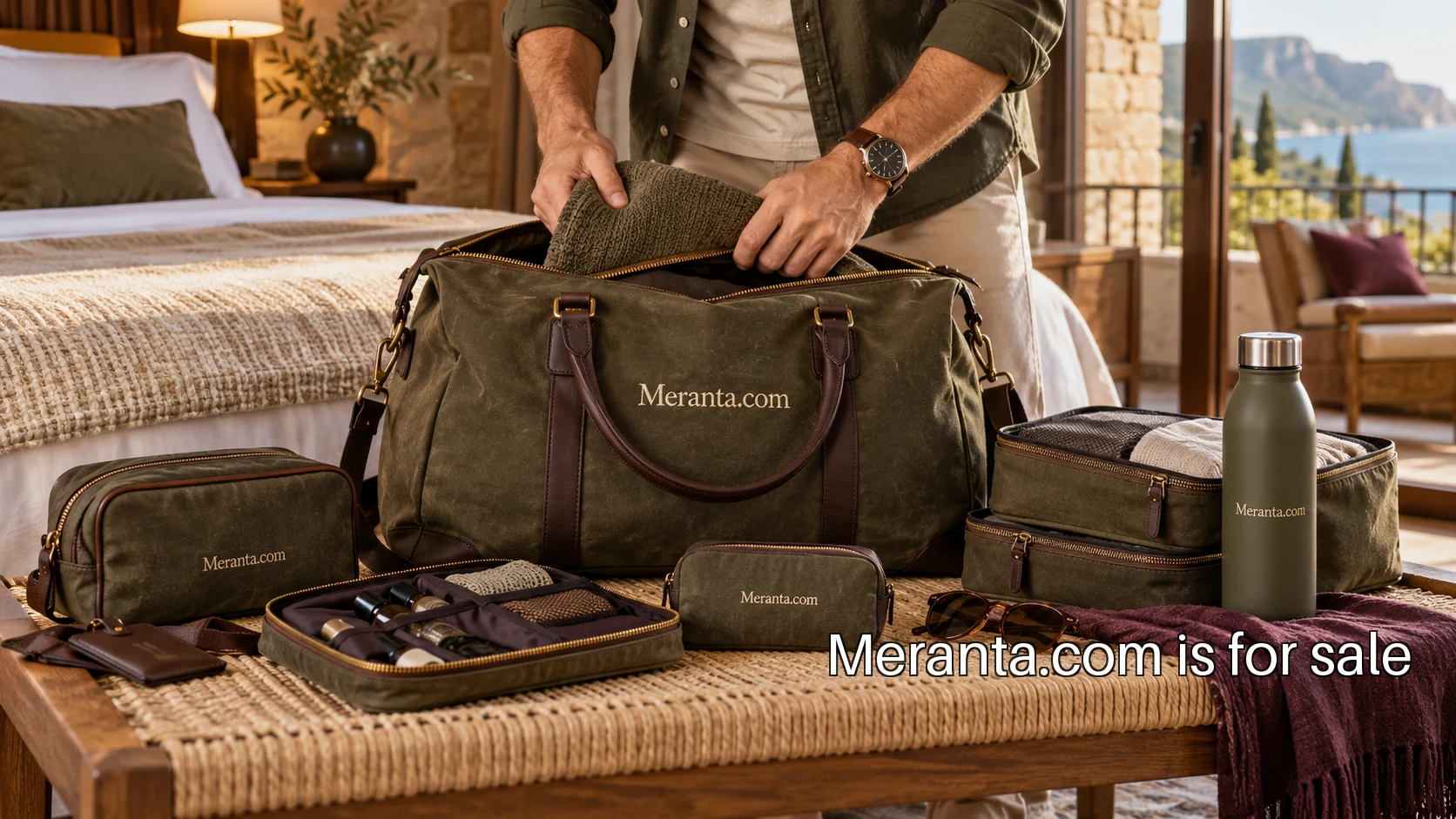
Travel accessories are easiest to plan around the moments when a person actually uses them. Packing on a bedroom floor, finding a charger on a train and separating damp clothes at the end of a trip are different jobs. A founder considering Meranta could choose one of those moments and build a useful first product around it, with a range that follows the same care for repeated journeys.
Take an illustrative first offer: a weekend packing kit made up of a small clothing organizer and a pouch for loose essentials. The intended buyer takes regular short trips and wants to move between bags without repacking every small item. The kit could begin in one material and two sizes, with replaceable zipper pulls and care instructions that show how to clean the pieces at home. A narrow first offer makes room to test the details properly.
Observe a complete packing routine
Ask ten travelers to pack for a real weekend away. Watch what they put out, what they leave behind and which objects change places before the bag closes. Ask them to explain the last time they struggled to find something during a journey. Separate frequent difficulties from a memorable one-off problem. The founder is looking for a repeated task that a modest product can improve.
Record the bag people already use. Measure the space they reserve for clothing, toiletries and electronics, then look at how those groups move during the trip. An organizer that looks tidy in a photograph may force someone to unpack everything to reach a single item. Give the prototype a job that can be observed: keeping clean clothing together, moving small items between bags or opening flat on a narrow surface.
Meranta could identify the company across these products, with descriptive product names explaining their uses. The founder could introduce the kit at a retail meeting, then carry the same company name into a bag, replacement part or later range. The product standards would connect those additions: useful access, manageable weight, care information and a repair route that the business can actually support.
Design for the journey home
Durability work should include what happens after the first neat packing demonstration. Fill the organizer with the weight people normally carry. Open and close it repeatedly. Check seams and stress points, and note what catches against neighboring items. Keep each prototype's material and construction details so a supplier can identify the version being discussed. Photograph wear in the same lighting and location over the test period.
Repairability needs an operating plan behind it. Decide which parts can be replaced without specialist tools, who holds the spares and how a customer identifies the right component. A replaceable zipper pull is a more manageable promise than an undefined lifetime service. Write a simple request path and try it internally using a prototype with a missing part. The test is whether the person answering can locate, pack and send the correct item.
Packing guidance should match the markets served. For example, the UK government hand-luggage guidance explains how travelers can check liquid restrictions for their airport. Product copy should link travelers to the current rules for their route rather than presenting a pouch as universal approval to pass security. A clear product description can state its dimensions and opening method, giving the traveler useful information for their own packing decision.
Sell the movement, with the details visible
A direct-to-consumer launch can show the kit moving through one trip. Start with packing, show access during the journey and finish with unpacking and cleaning. Photograph the interior, seams, closures and the product beside ordinary belongings. Include dimensions and explain which pieces fit together. This gives the buyer a way to compare the kit with the bag and routine they already have.
A credible early distribution path is a small collaboration with independent luggage or outdoor shops that can demonstrate the product. Ask staff what customers want to handle before buying and which questions recur. That may change the sample display, packaging or instructions. Keep the first wholesale assortment small enough that the founder can support replacement pieces and answer product questions consistently.
Travel routines also cross borders. The Canadian Air Transport Security Authority's screening guidance is one example of a separate official source travelers may need. Keep advice tied to the relevant authority and put a review date on any travel information the brand publishes. The enduring product claim should concern the object itself: its size, construction, care and intended use.
Expand through a shared practical standard
After the first orders, organize feedback by use. A request for a larger organizer is different from a complaint that the opening is awkward. A missing spare part is different from a material failure. Keep those categories separate so the next production decision solves the right problem. The range can then expand around the tasks people repeat, with each addition earning its space in the bag.
The first next step is observing ten travelers packing for a weekend. Turn the repeated difficulties into a prototype brief, choose one task and define how the founder will compare the sample with the current routine. That creates a useful starting point for a travel brand with a consistent point of view. To acquire the name for that business, discuss Meranta.com with PremiumBrands.
Meranta.com
Meranta.com is for sale
For a home, travel or hospitality founder ready to introduce a complete brand from the first launch.